

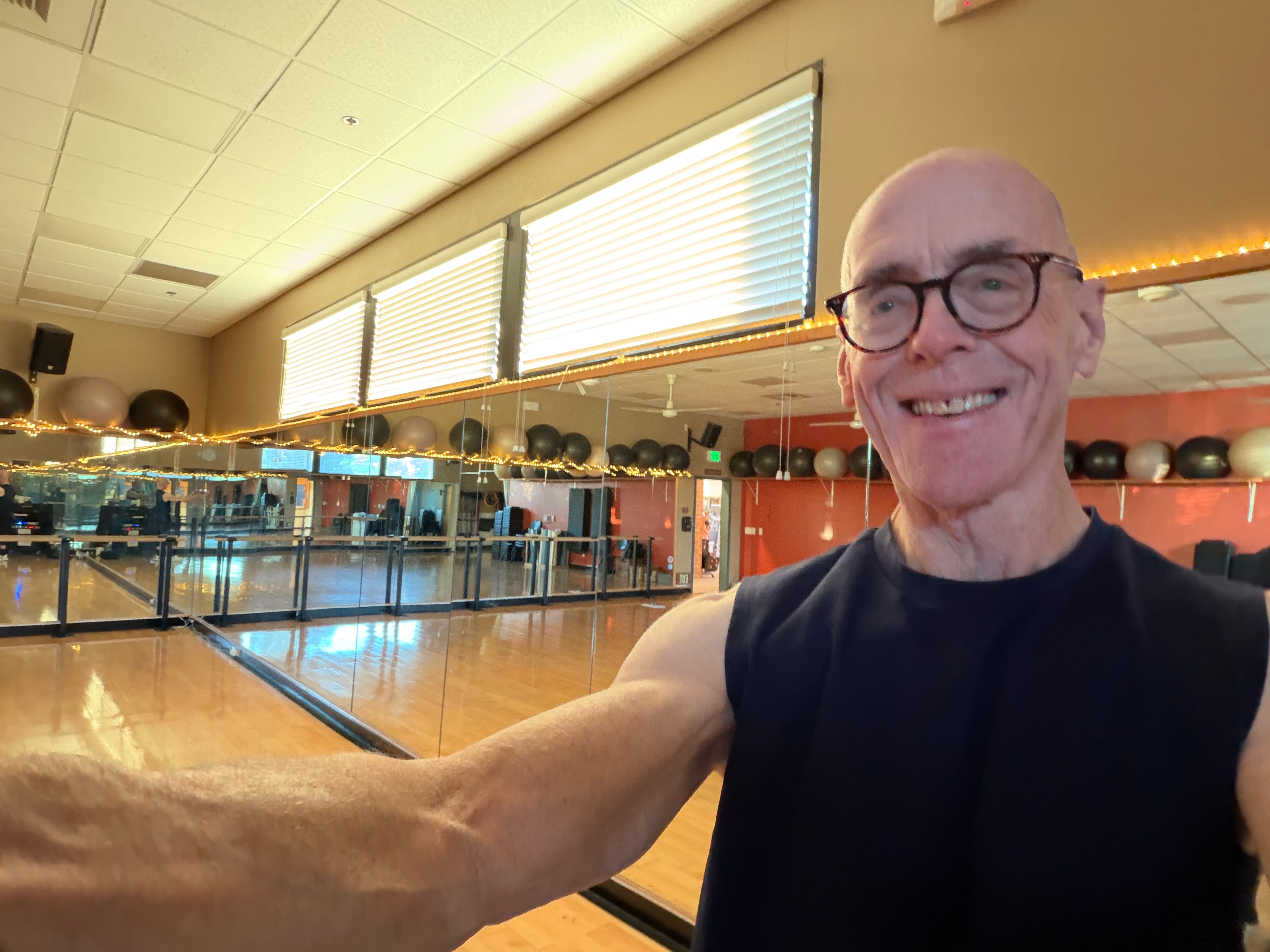
It’s Not Your Workout
If you’re leading a class, you’re not there for your workout.
You’re there to create an environment where people show up, move safely, and leave feeling better than when they walked in. In a word — you motivate them to keep doing what might be the best thing they do all day.
I didn’t know this for years. Life got busy, teaching time became my only workout window, and I rationalized it. But the bigger truth is nobody wants to watch you work out. And if they do, that’s kind of weird. So stop. Pay attention. Become the professional the club and its members actually want.
A few things that help. And students reading this — look for these in your instructors.
Teaching vs. Yelling
Yelling at a crowd isn’t teaching. Whoop whoop should have died in the late 1970s. It’s annoying.
Professional teaching is enthusiasm with awareness. Intensity with control. It’s knowing when to push and when to pull back, and showing up with an actual plan. Being the King of Wing isn’t a teaching style — it’s a habit. Professionals prepare.
The Reality of Who’s in Front of You
For most regular classes, you’re looking at the same people week after week — committed exercisers managing real bodies with real mileage. After 50, muscle declines about 1-2% per year without strength training. These people are managing joints, injuries, and energy levels. Plan accordingly.
Clear instruction beats clever choreography every time. The move that feels great to you often looks like punishment to your class. The temptation is to nail it while they struggle. The professional move is to watch them — notice individual efforts, encourage, correct when needed. A class running smoothly is more impressive than an instructor who looks good doing something nobody else can follow.
Balance Isn’t Optional
Balance training can reduce fall risk by up to 30%. That’s not a footnote — it’s the whole point for a significant portion of your class. Balance work isn’t boring filler. It’s essential preparation for getting older, and it could be the difference between catching a stumble and an emergency room visit.
Nearly every group exercise class serving the over-50 population should include a balance segment. Build it in like it matters. Because it does.
You’re Building More Than Fitness
The social dimension of group exercise is underestimated and under-managed by most instructors.
Early in my teaching career, classes ran over, people rushed in stressed, the transition was chaos — and all of it was unnecessary. Arriving early, setting up, greeting people at the door with a genuine offer to help newcomers — none of that takes much. All of it signals that you actually want them there.
Don’t underestimate what happens inside the class either. I’ve seen nearly a dozen marriages and countless friendships come out of classes I’ve taught. Nobody signed up for that. But connection happens when you build the right room.
You’re not just leading workouts. You’re building an environment people want to return to. That’s a different job description — and a better one.
Ask Yourself Before Every Class
What am I doing here?
Have a real answer. A student-focused one. Because bad habits creep in — I’ve made most of them. Today my answer is simple: I love doing this, I’m good at it, and people appreciate what I do. That’s enough to walk in the door with something worth giving.
The Job
Your job isn’t to push everyone to the same fitness destination. Hard to believe, but not everyone over 50 wants to be ripped.
Your job is to recognize the story behind the story — that they showed up, which for some people on some days is a genuine achievement. To see what they’re doing and acknowledge that it matters — to their health, their energy, and everyone in their lives who gets a better version of them because they came to class.
It turns out that’s a pretty important job. Reminding your students that you’re grateful for the chance to do it just might make both your days.
And, sometimes that can all be communicated with eye contact, a pleasant greeting, and a smile that acknowledges them and recognizes their effort.
Jim Stalker writes about fitness and the music that drives it at JimStalkerFitness.com, and culture and the examined life at TellTheTruthandRun.com.